

Frequency of Eye Exams: How Often Should You Really Get Checked?
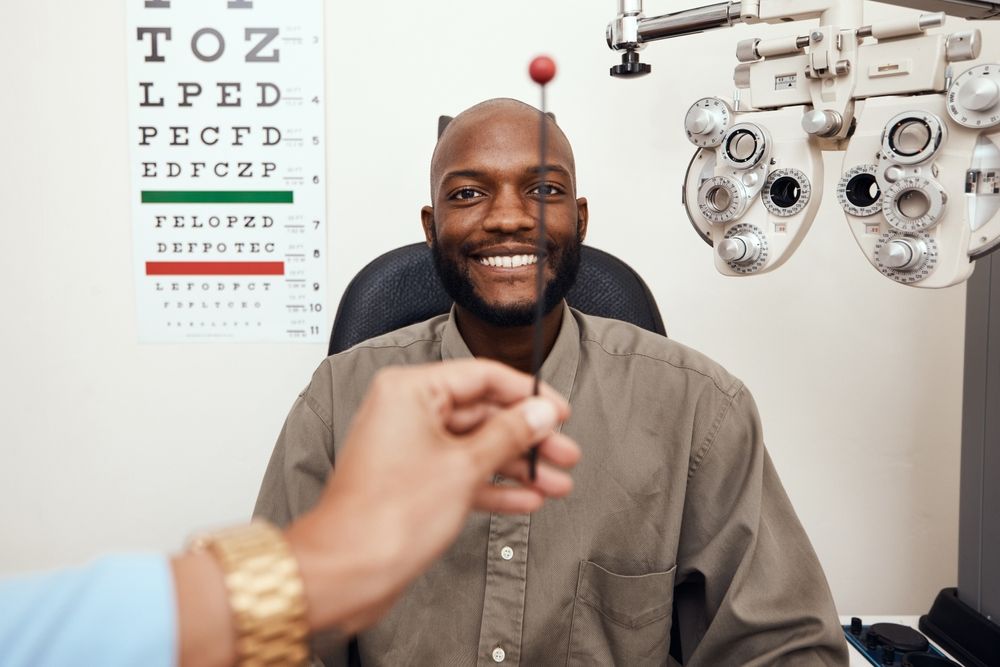
When was the last time you had a comprehensive eye exam? Many people wait until they notice blurry vision or eye discomfort before scheduling an appointment. However, regular comprehensive eye exams are about much more than updating your glasses or contact lens prescription. At Anderson Lane Vision Source, we emphasize the importance of annual comprehensive eye exams to help patients maintain healthy eyes and detect potential issues early.
Why Annual Comprehensive Eye Exams Matter
Your eyes can change gradually, and many serious eye conditions develop silently. By the time you notice symptoms, damage may already have occurred. An annual comprehensive eye exam allows your optometrist to:
- Detect vision changes early
- Identify eye diseases before symptoms appear
- Monitor ongoing eye conditions
- Evaluate overall eye health
- Spot signs of systemic health issues
Conditions such as glaucoma, macular degeneration, and diabetic retinopathy often have no early warning signs. Routine exams allow for early diagnosis and treatment, which can significantly reduce the risk of permanent vision loss.
More Than Just a Vision Test
A comprehensive eye exam is not the same as a quick vision screening. While screenings may check how clearly you can see letters on a chart, a comprehensive exam evaluates the health of your entire visual system.
During your annual visit, your optometrist will assess:
- Visual acuity
- Eye focusing and coordination
- Eye pressure
- Retinal health
- Optic nerve condition
- Signs of cataracts or other abnormalities
These evaluations provide a complete picture of your eye health and allow for early intervention when needed.
How Often Should You Get an Eye Exam?
Although general guidelines vary by age and risk factors, most patients benefit from an annual comprehensive eye exam.
- Children and Teens: Children’s vision plays a critical role in learning and development. Annual exams help ensure that vision problems don’t interfere with school performance or daily activities.
- Adults (18-60): Even if you have clear vision and no noticeable issues, yearly exams are recommended. Digital screen use, changing prescriptions, and early signs of eye disease can all impact your vision over time.
- Adults Over 60: The risk of age-related eye conditions increases significantly after age 60. Comprehensive eye exams should be scheduled annually (or more frequently if recommended by your eye doctor) to monitor for cataracts, glaucoma, macular degeneration, and other age-related changes.
- If you have diabetes, high blood pressure, or a family history of eye disease, yearly (or sometimes more frequent) exams are essential for protecting your vision.
Early Detection Saves Vision
One of the most important reasons for annual eye exams is early detection. Many serious eye conditions are manageable when caught early. Left untreated, they can lead to irreversible damage.
For example:
- Glaucoma can cause permanent vision loss without noticeable symptoms.
- Diabetic retinopathy may progress before vision changes occur.
- Macular degeneration can impact central vision over time.
Regular monitoring gives you the best chance of maintaining clear, healthy vision for years to come.
Schedule Your Annual Eye Exam Today
Your vision is too important to leave to chance. Annual comprehensive eye exams are one of the simplest and most effective ways to protect your eyesight and support your overall health. They allow for early detection, timely treatment, and peace of mind knowing your eyes are functioning at their best.
If it’s been a year or more since your last comprehensive eye exam, now is the perfect time to schedule an appointment. Contact Anderson Lane Vision Source to book your annual visit and take the next step toward protecting your vision for the future. Contact our office in Austin, Texas, by calling (512) 451-6586 today.


Our Services
Contact Info
Hours of Operation
- Monday - Friday** 9:00am - 6:00pm
- Saturday** 10:00am - 5:00pm
- Sunday (Selective Sunday)12:00 pm - 4:00 pm
© 2026 Anderson Lane Vision Source. All rights Reserved. Accessibility Statement - Privacy Policy - Sitemap
Powered by:
